
The Ultimate Self-Tape Setup Guide
How to Create Professional Auditions Without Spending a Fortune
**This article contains affiliate links. If you purchase through these links, Broadway Rise may earn a small commission at no additional cost to you. These commissions help support Broadway Rise programming, resources, and scholarship opportunities for performers.
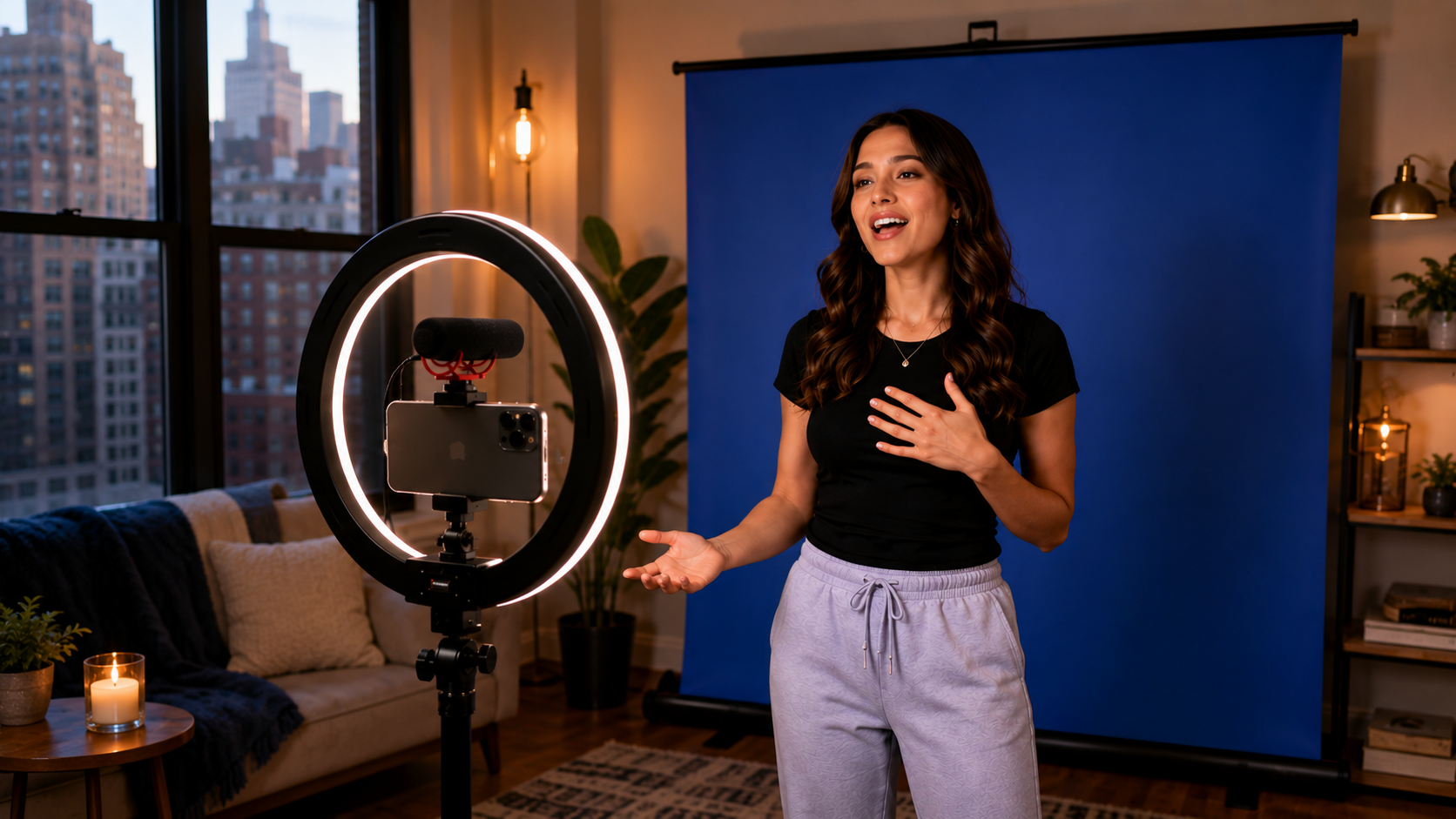
Self-tapes have become one of the most important tools for performers today — whether you’re auditioning for theater, film, television, college programs, cruise ships, or representation.
The reality is that auditions are often a numbers game. The more quickly and easily you can put together a polished self-tape, the more opportunities you can realistically submit for without the process becoming overwhelming or stressful.
The good news? You do not need an expensive studio setup to create a professional-looking self-tape.
In fact, convenience and simplicity are often the key to consistently producing great auditions. The easier your setup is to use, the more likely you are to film quickly, confidently, and without unnecessary stress.
In a pinch, an iPhone can absolutely get the job done. Modern smartphones shoot incredible video, and many casting directors are far more focused on the performance itself than on whether you own expensive equipment.
That said, a few simple upgrades — particularly in lighting, sound, and backdrop — can dramatically improve the overall quality of your tapes and help you appear more polished and professional on camera.
The 5 Elements of a Professional Self-Tape
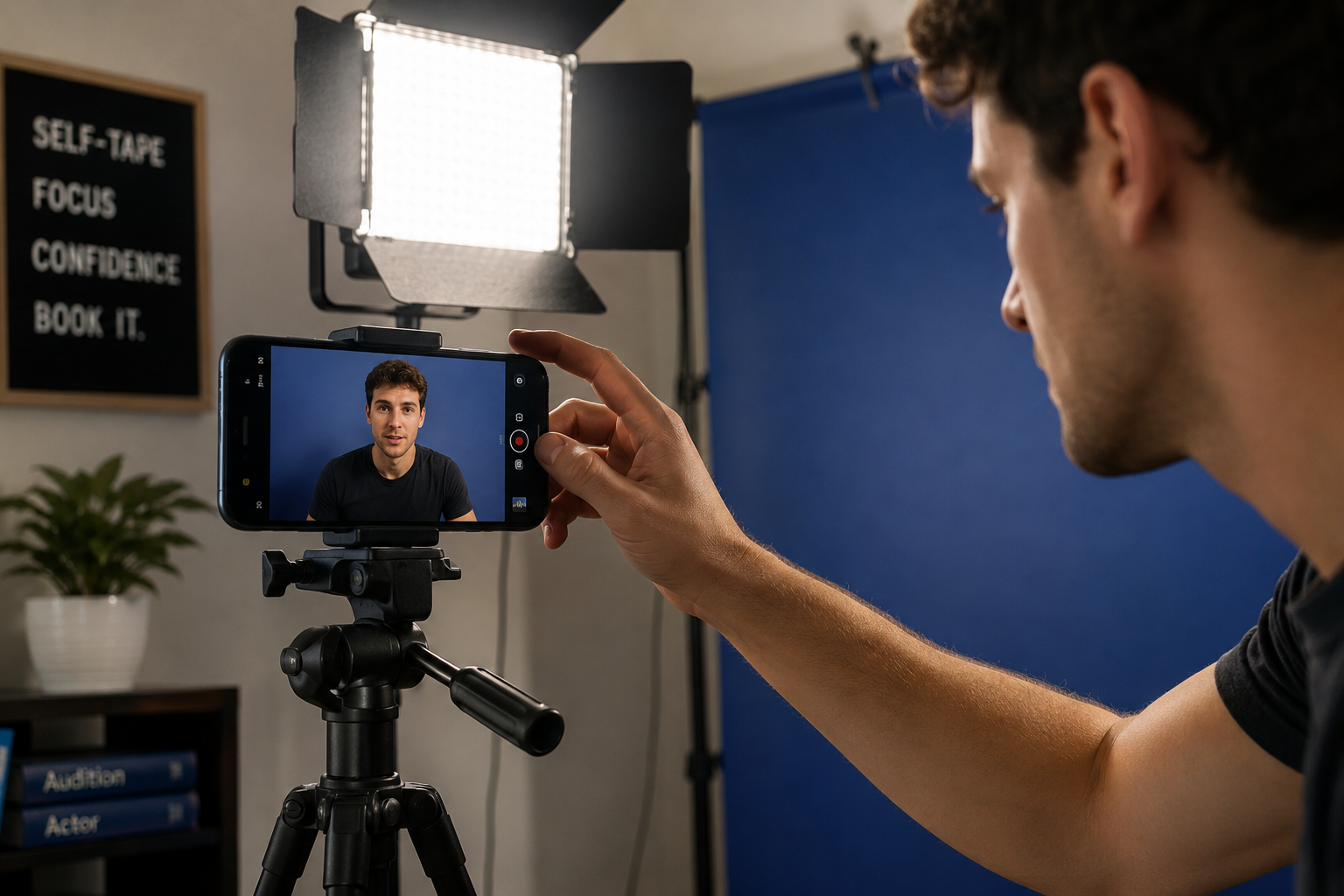
Before diving into equipment recommendations, it’s important to understand what actually makes a self-tape look polished and professional. Creating a great self-tape usually has far less to do with owning expensive gear and far more to do with consistently getting a few key elements right":
Lighting — Clear, even lighting helps casting directors clearly see your eyes, facial expressions, and performance without distracting shadows or harsh color tones.
Sound — Clean audio is incredibly important. Poor sound quality can instantly make a tape feel distracting or unprofessional, especially for vocal auditions.
Background — A simple, uncluttered backdrop keeps the focus where it belongs: on the performer. Blue or neutral backdrops tend to look the cleanest and most professional on camera.
Framing & Stability — Your camera should remain stable, positioned at eye level, and framed clearly. Shaky footage or awkward angles can pull attention away from the performance itself.
Convenience & Consistency — Auditions are often a numbers game, and the easier your setup is to use, the more consistently you’ll be able to submit polished tapes quickly and confidently.
Essential Self-Tape Equipment
Lighting
Lighting is one of the most important aspects of filming a professional self-tape. Good lighting helps casting directors clearly see your eyes, expressions, and performance without distracting shadows or uneven color.
Ring Light
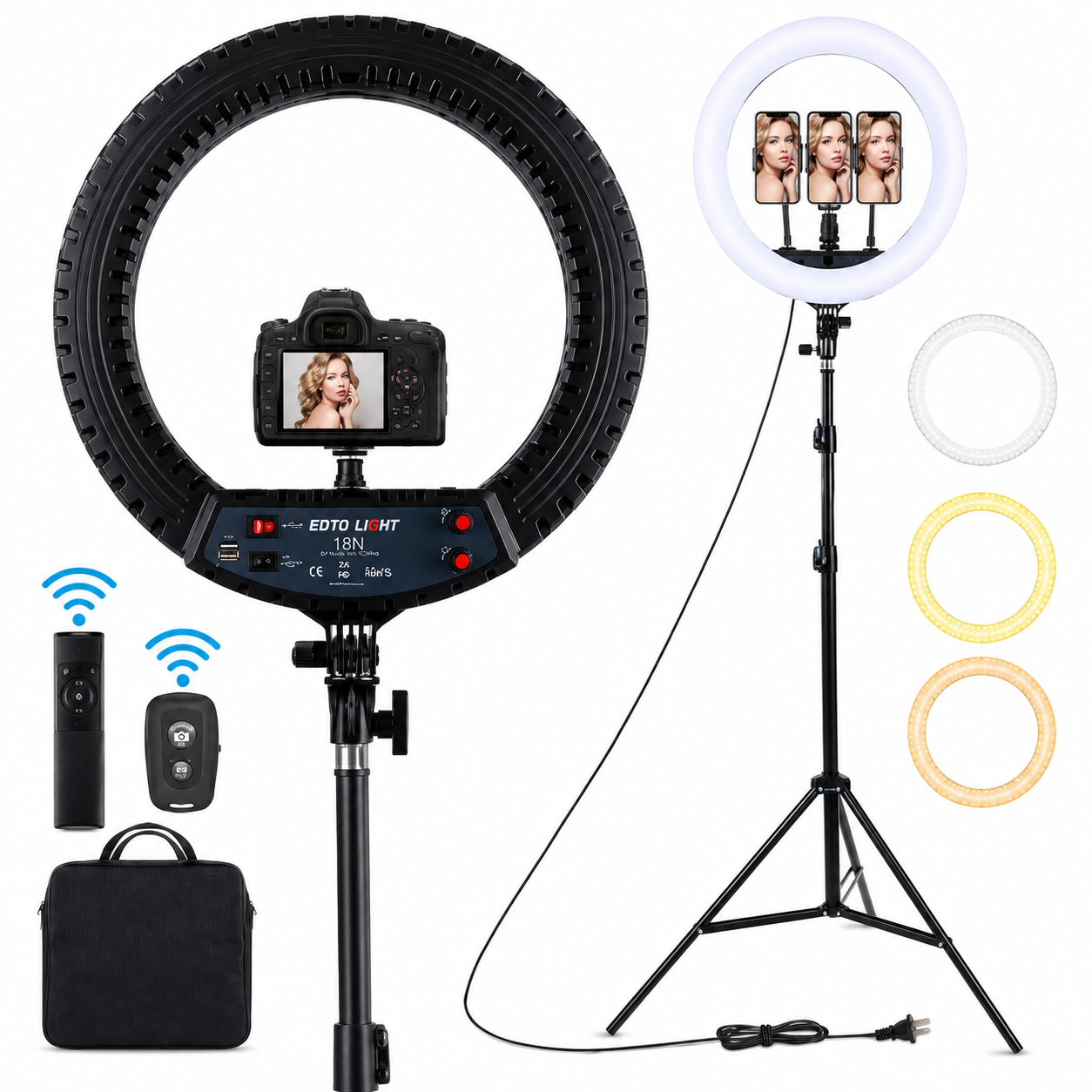
18 inch LED Ring Light with Tripod Stand
View on Amazon
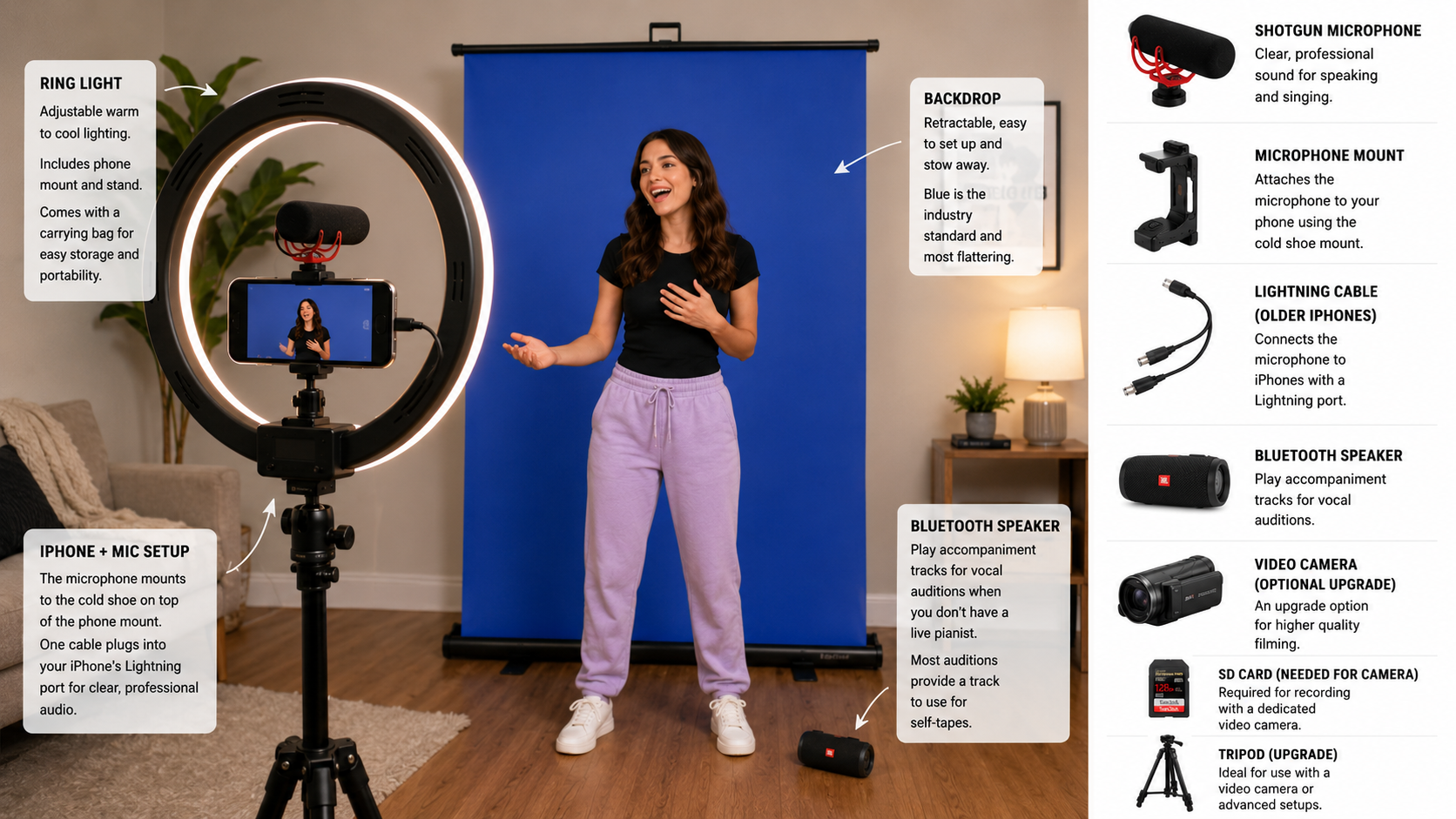
This setup is one of our favorite options because it’s simple, portable, and easy to store. It comes with its own carrying bag, making it easy to quickly set up, pack away, or even bring with you for auditions, callbacks, or filming in different locations.
Lighting is one of the most important aspects of creating a professional-looking self-tape, and this light allows you to adjust both the brightness and the color temperature from warm to cool tones depending on your space and skin tone.
It also includes a remote control, which makes it easy to start recording or adjust settings without constantly walking back and forth to your camera setup.
For most performers filming on an iPhone, this can function as both your lighting setup and your camera stand.
Backdrop
A clean, uncluttered background immediately makes a self-tape feel more professional and keeps the focus on the performer.
Retractable Home Backdrop
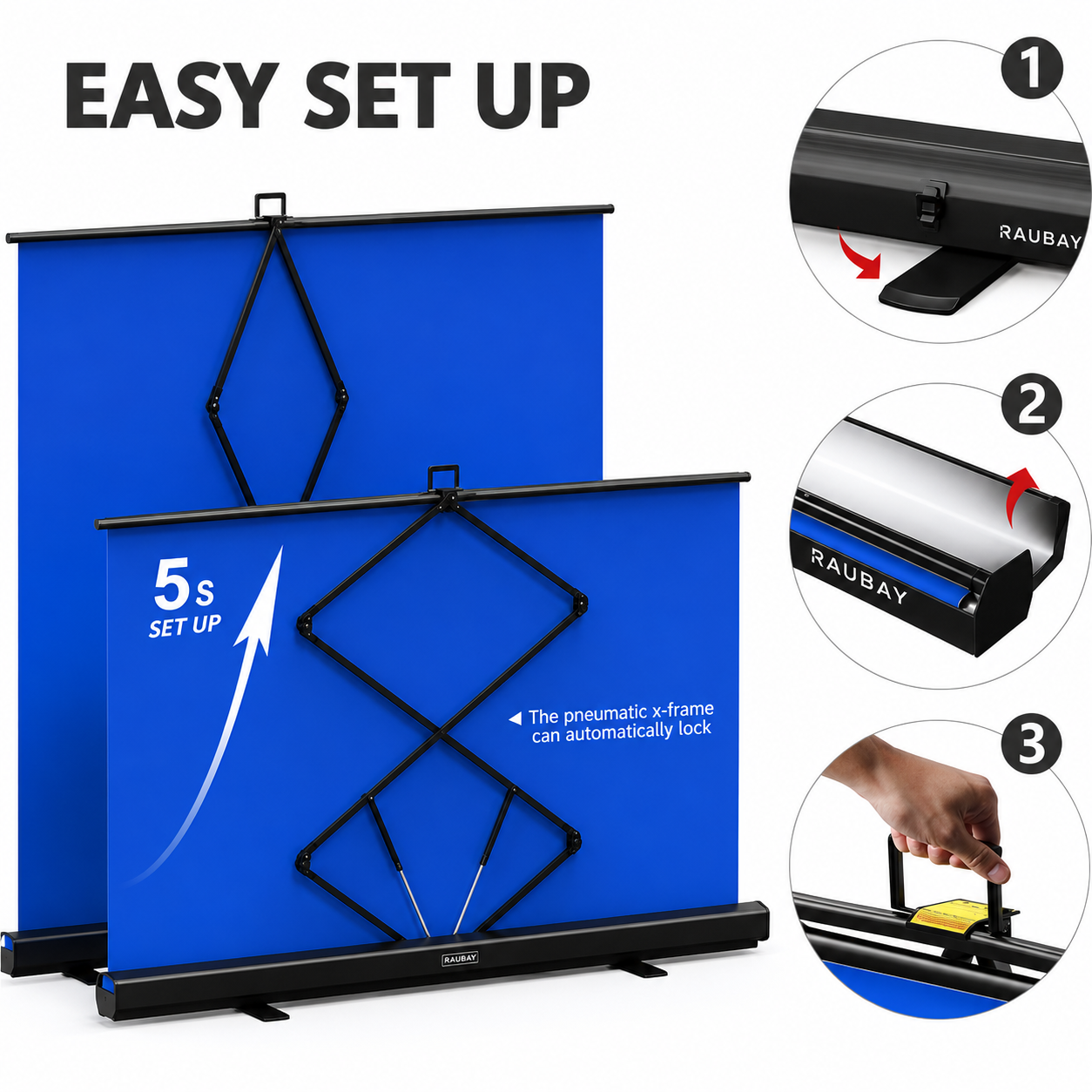
RAUBAY Collapsible Blue Screen Backdrop
View on Amazon
We love retractable backdrops because they’re incredibly convenient — especially for NYC apartments or smaller living spaces where you may not want equipment permanently set up.
This style easily retracts, is wrinkle-resistant and stows away when not in use while still looking polished and professional on camera.
Blue is generally considered the industry standard for self-tapes and tends to be the most flattering and versatile option for performers.
Sound
Clear audio can instantly make a self-tape feel more polished and professional.
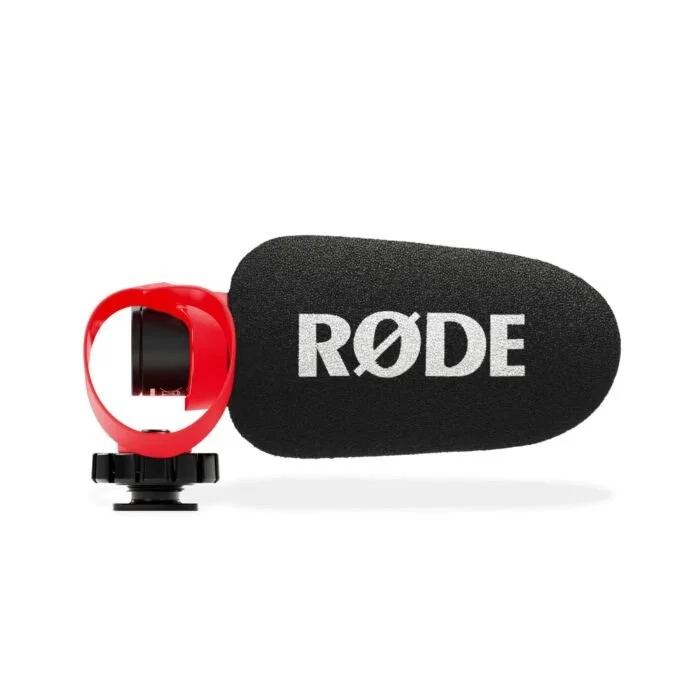
Shotgun Microphone
RØDE VideoMicro II
View on Amazon
This is one of our favorite microphones for self-tapes because it’s:
compact
simple to use
great for speaking and singing
much more natural sounding than many clip-on microphones
For musical theater performers especially, shotgun microphones often sound cleaner and less distorted than lavalier or camera microphones during louder singing.
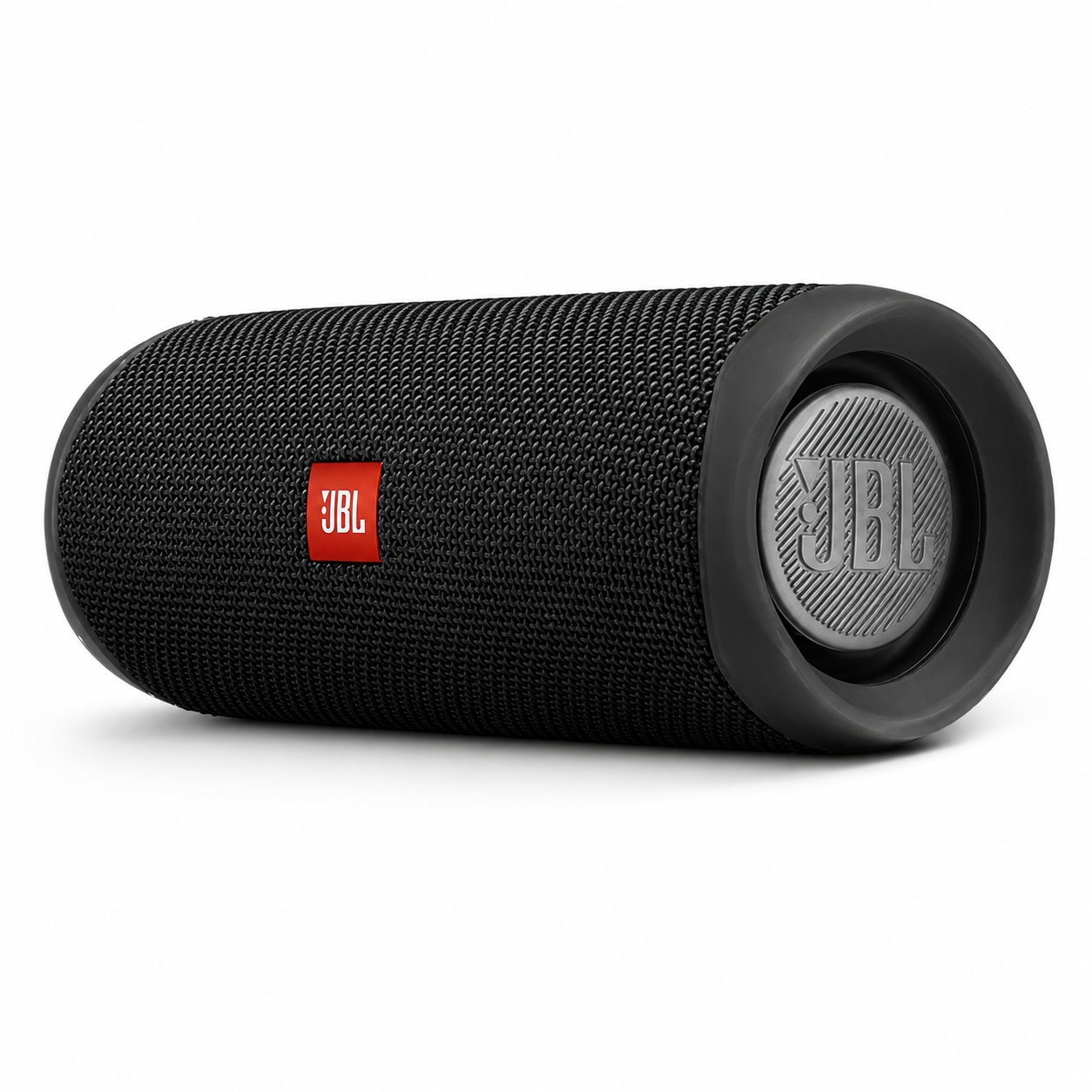
Bluetooth Speaker
JBL Flip 5
View on Amazon
A portable Bluetooth speaker is extremely useful for musical theater auditions when you need to play an accompaniment track while filming.
Most vocal self-tape auditions these days will provide a track for performers to sing with rather than requiring a live pianist, so having a reliable speaker setup is incredibly helpful.
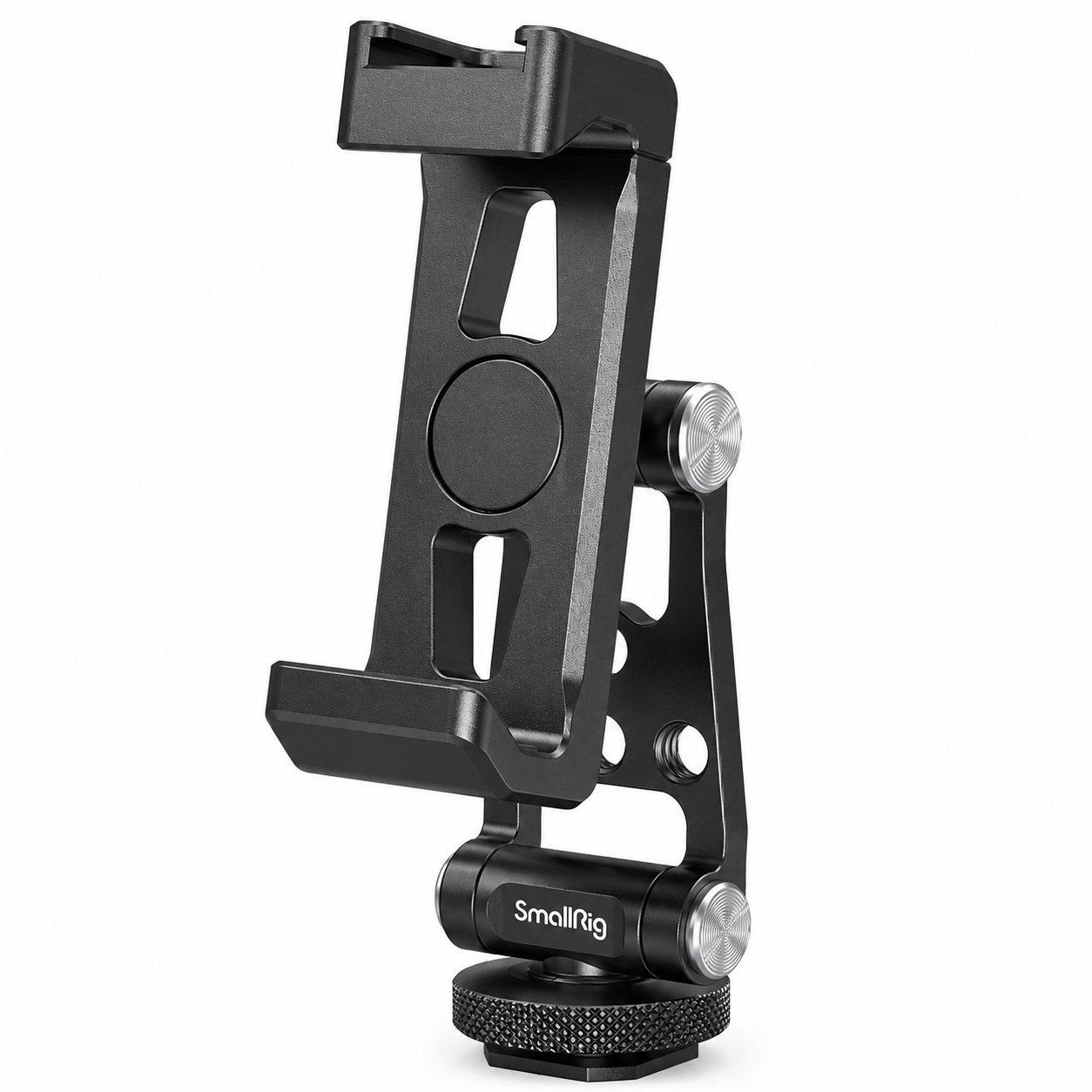
Microphone Mount (for filming on an iPhone)
SMALLRIG Universal Metal Phone Support
View on Amazon
If you’re filming on an iPhone, this mount allows you to attach the Rode microphone directly onto your phone setup.
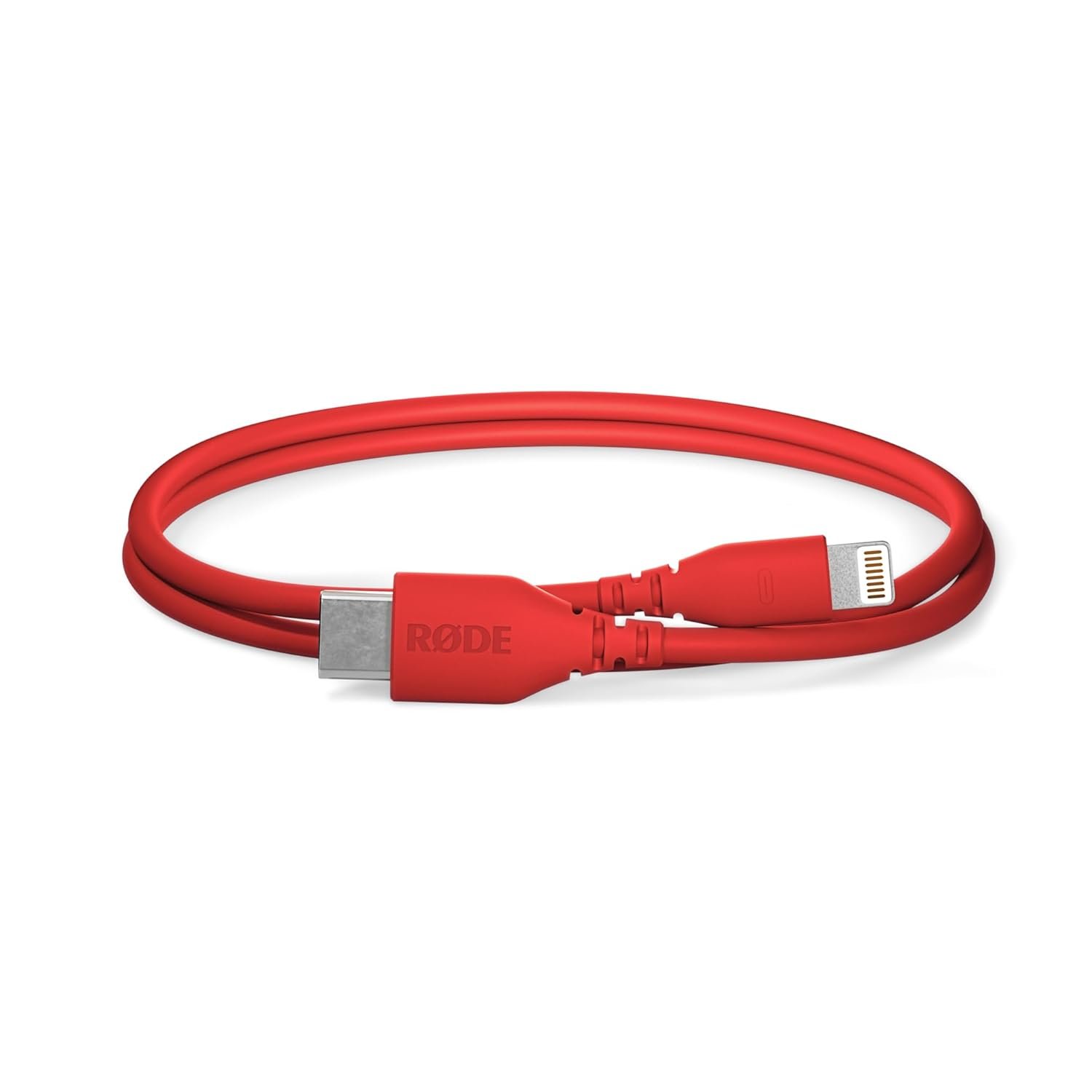
Lightning Cable (for older iPhones)
Rode SC21 Lightning to USB-C Cable
View on Amazon
Older iPhones with a Lightning port will typically need this specific adapter cable in order to connect the microphone to the phone.
Optional Upgrades
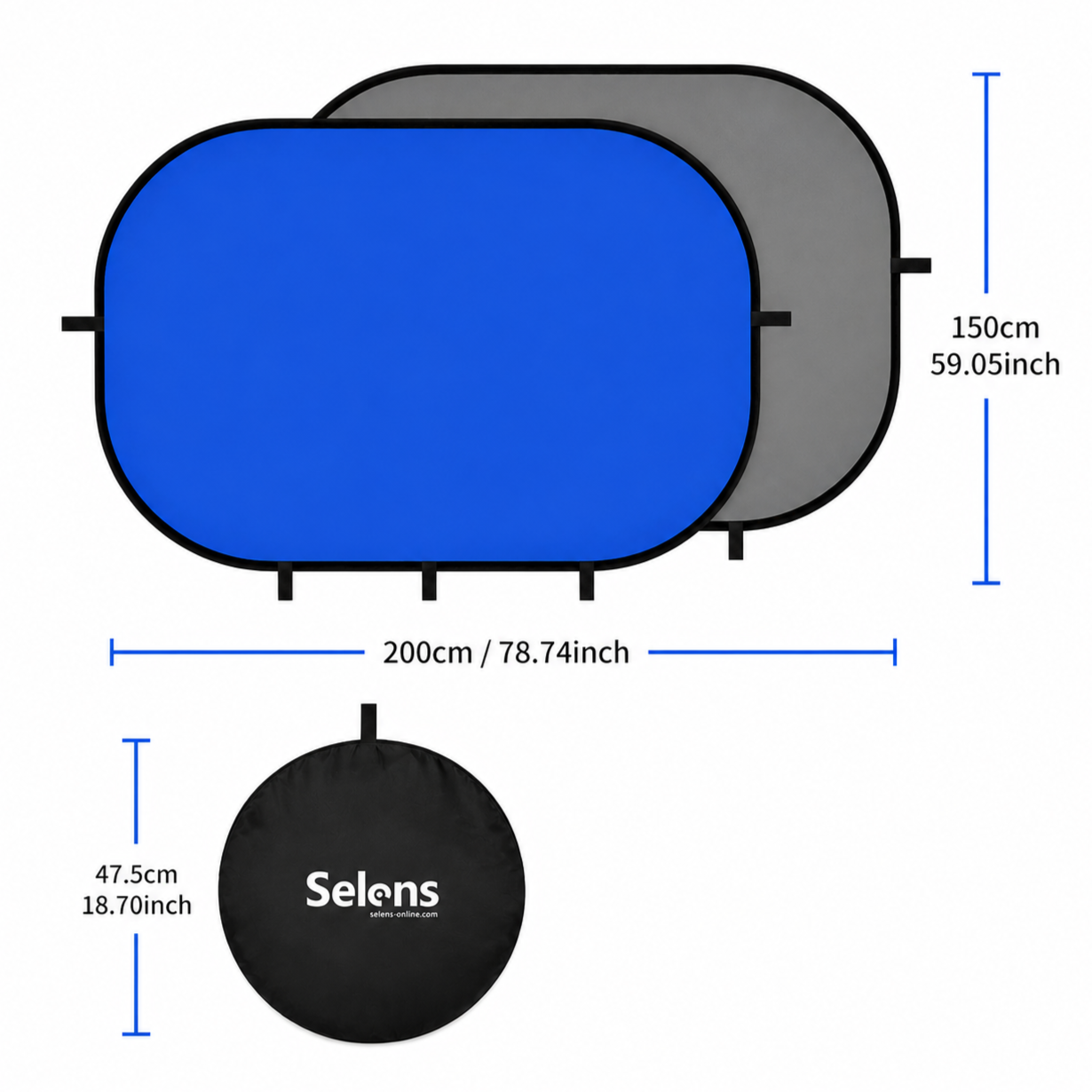
Portable Pop-Up Backdrop
5x6.6ft Blue Grey Pop Up Backdrop
View on Amazon
This is a great option for performers who:
travel frequently
attend auditions in multiple locations
need something highly portable
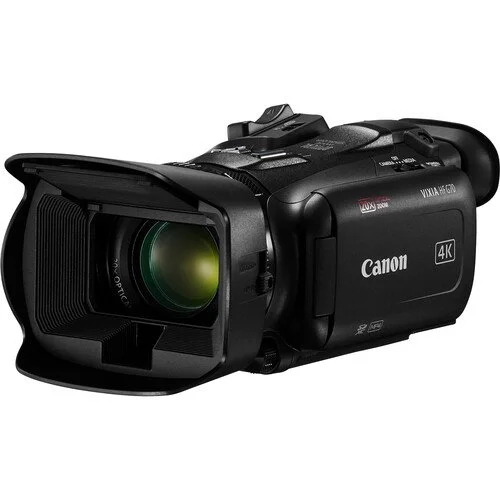
Video Camera
Canon VIXIA HF G70
View on Amazon
While phones are absolutely sufficient for most self-tapes, some performers who audition very regularly may eventually want a dedicated camera setup.
This camcorder produces excellent video quality and is particularly useful for:
frequent audition taping
dance submissions
showcase filming
pre-screen recordings
That said, this is definitely an upgrade — not a necessity.
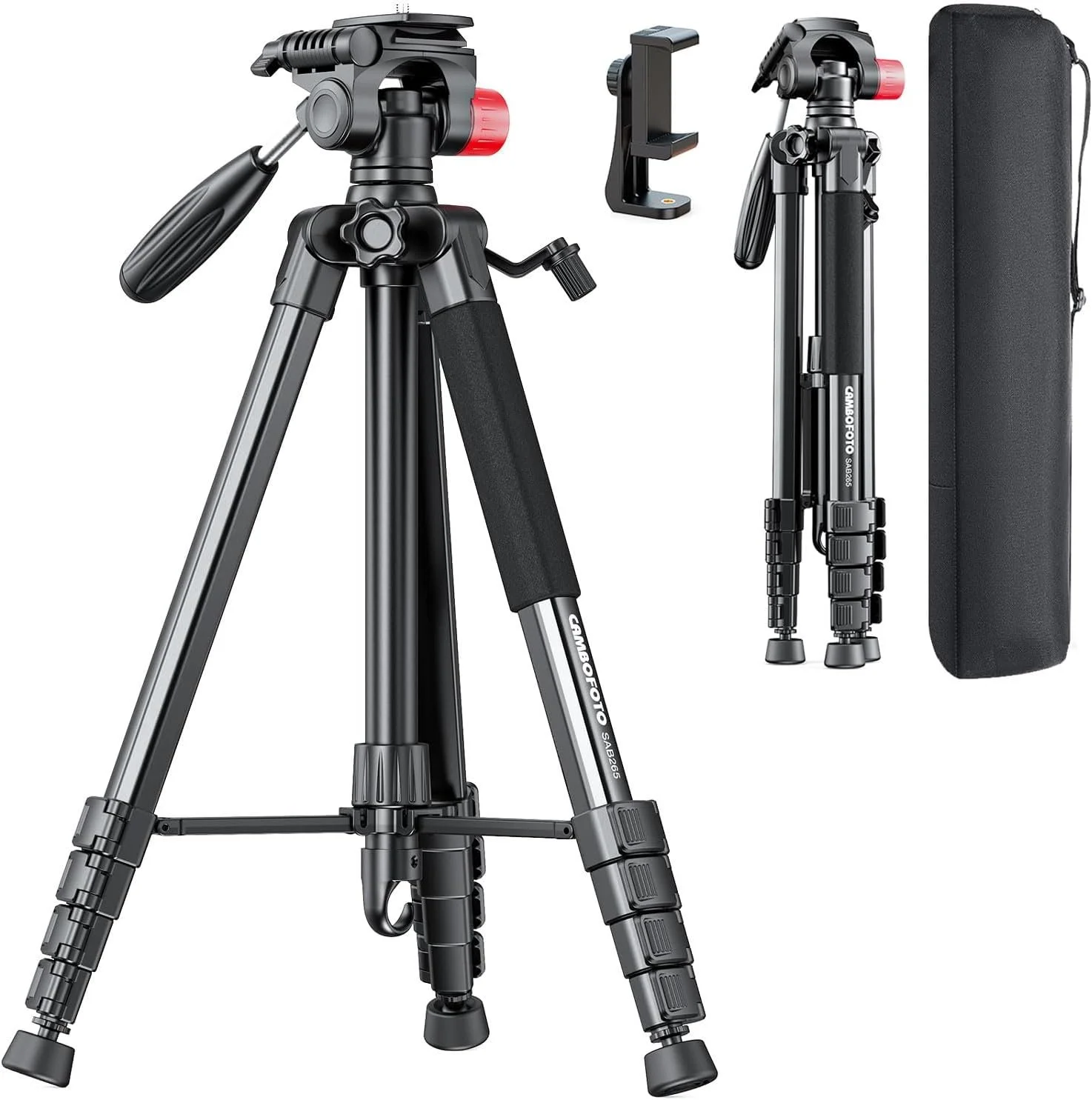
Tripod (for Dedicated Cameras or Advanced Setups)
CAMBOFOTO 74 Inch Camera Tripod
View on Amazon
If you move beyond a basic phone setup or begin using a dedicated camera, a sturdy tripod becomes extremely helpful.
This tripod also includes a phone mount for performers still filming on smartphones.
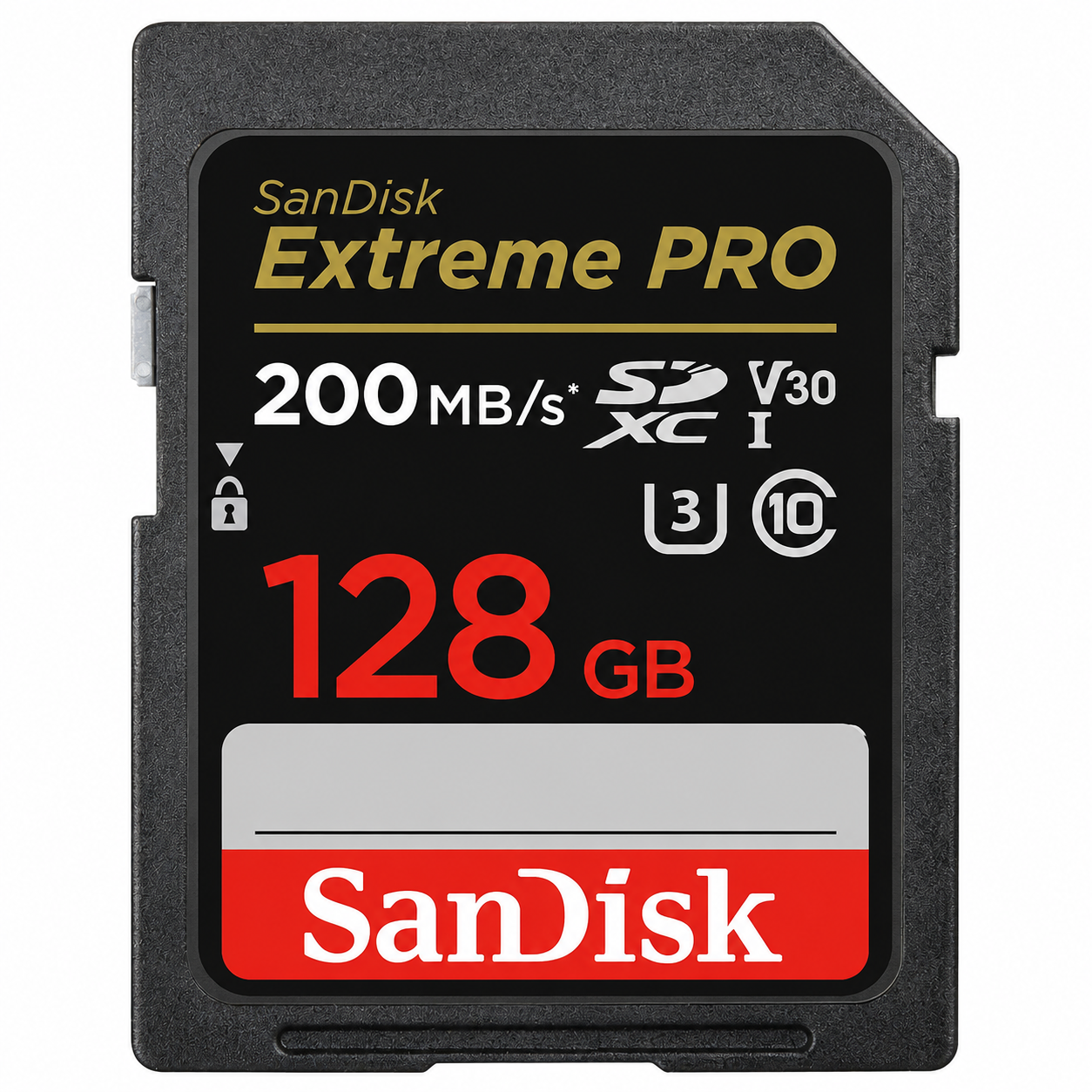
SD Card (Needed for the Video Camera)
SanDisk 128GB Extreme PRO SDXC UHS-I Memory Card
View on Amazon
If you purchase a dedicated camera, you’ll also need an SD card for recording and storing footage.
A Few Final Self-Tape Tips
Film horizontally unless otherwise requested
Keep the camera at eye level
Use soft, even lighting
Avoid cluttered backgrounds
Test your sound before recording a full take
Leave a little space above the head in frame
Keep edits simple and professional
